Slovenian Culture

A rich heritage at the crossroads of Europe

Ljubljana, the Capital

Ljubljana is a human-sized capital of 280,000 inhabitants, named European Green Capital in 2016. Its pedestrian city center is dominated by the castle offering panoramic views. The architecture of Jože Plečnik (student of Otto Wagner) transformed the city with the Triple Bridge, central market and national library. The baroque old town is crossed by the Ljubljanica River lined with cafes.

Ljubljana centre-ville

The Dragon Bridge

Symbol of Ljubljana, the Dragon Bridge (Zmajski most) was built in 1901 in Art Nouveau style. Four impressive copper dragons guard the bridge. According to legend, these dragons wag their tails when a virgin girl crosses the bridge! The dragon has become the city's symbol and can be found everywhere.

Piran, the Pearl of the Adriatic

Piran is Slovenia's most beautiful coastal town, with its preserved Venetian architecture. Tartini Square, the lighthouse and narrow streets give the impression of being in Italy. From the top of the medieval walls, the view of the Adriatic Sea is splendid. The city has preserved its authenticity and old-world charm.

Ljubljana centre-ville

Maribor and the Oldest Vine

Maribor, the country's second city, houses the world's oldest still-producing vine! Over 400 years old, this "Žametovka" vine still produces 35 to 55 kg of grapes per year. The medieval old town, castle and wine cellars make Maribor an important cultural destination. It's also a dynamic university city.

Lipizzan Horses

The Lipica Stud Farm, founded in 1580, is the birthplace of the famous white Lipizzan horses of Vienna's Spanish Riding School. These elegant horses are born dark and turn white around age 6-10. You can visit the stud farm, watch equestrian shows and even go horseback riding.

Ljubljana centre-ville

Festivals and Traditions

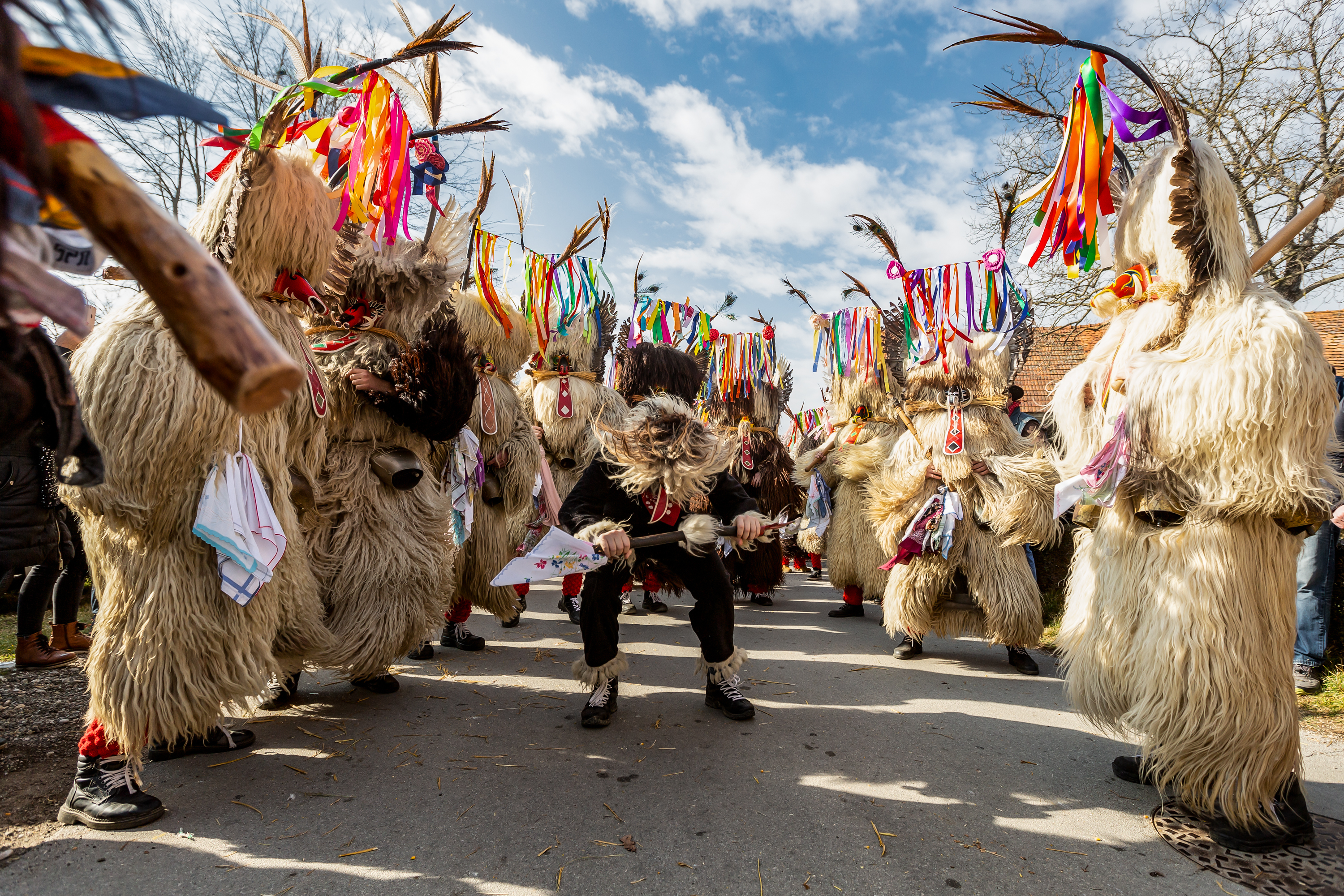
Slovenia has a rich carnival tradition, notably the Kurentovanje in Ptuj, where masked creatures ("Kurents") chase away winter. The Ljubljana Festival in summer offers music, theater and dance. St. Martin's Day celebrates new wine in November. Beekeeping traditions are also important - Slovenia is a world pioneer in apiculture.

Language and Literature

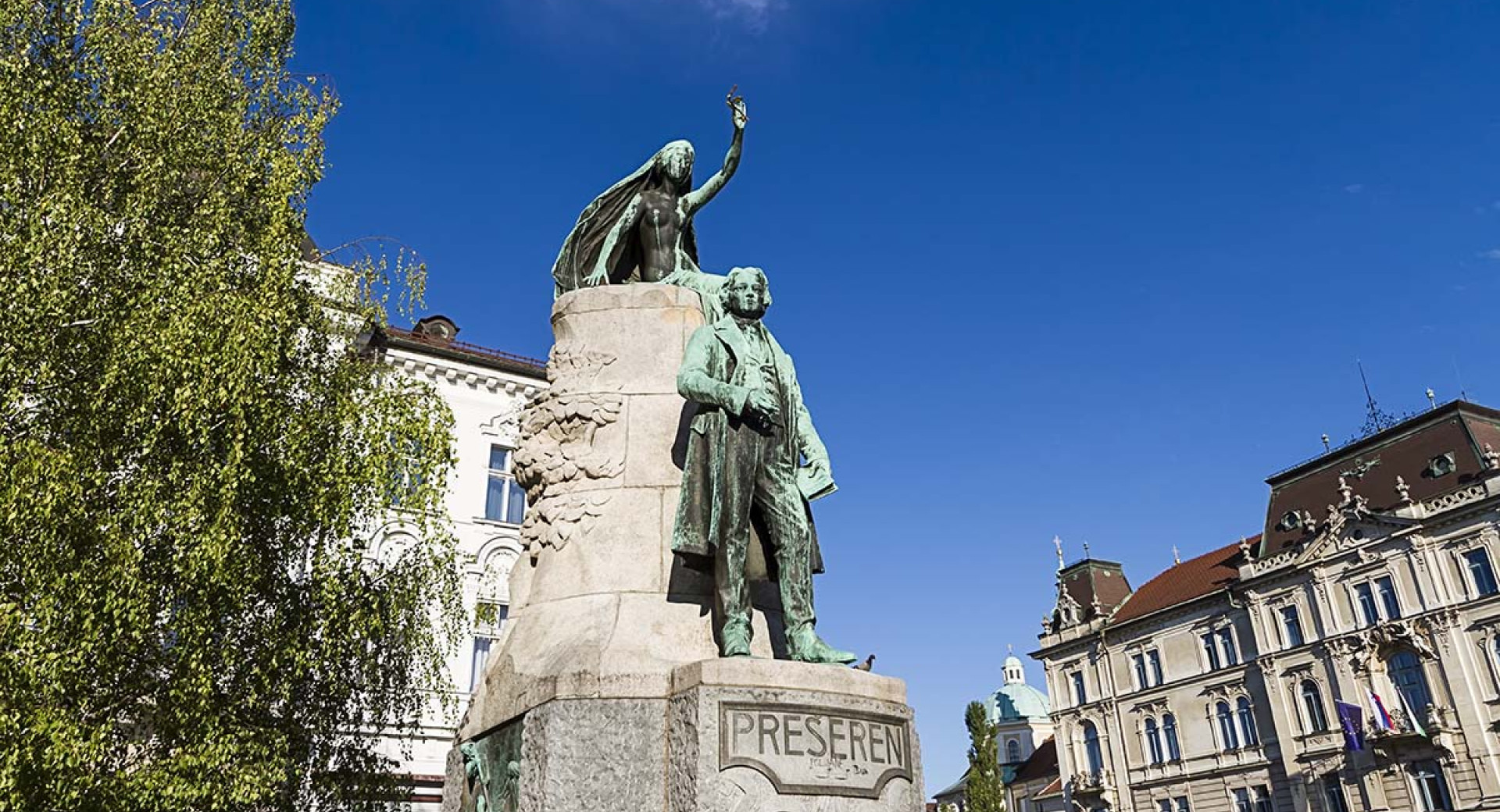
Slovenian is a South Slavic language with 46 dialects for a small country! Poet France Prešeren (1800-1849) is the national hero and his poem "Zdravljica" became the national anthem. February 8th, the day of his death, is the national day of Slovenian culture. The language has preserved the dual (in addition to singular and plural), a linguistic rarity.

Ljubljana centre-ville

Culture in numbers

Over 50 museums and 30 art galleries

3 UNESCO sites: Škocjan caves, mercury heritage, ancient forests

Slovenian has 46 different dialects

90,000 bees per Slovenian (world champions per capita)

The world's oldest flute (60,000 years) found in Slovenia

← Back to home